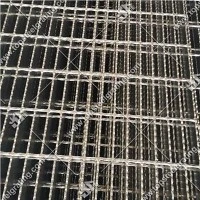
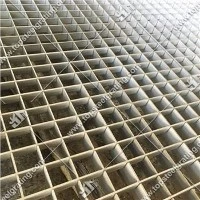
Fatigue resistance is a critical property when it comes to stainless bar grating, a product that we, as a stainless bar grating supplier, are well - versed in. In this blog, we will delve into what fatigue resistance is, why it matters for stainless bar grating, and how it impacts the performance and longevity of the product.
Understanding Fatigue Resistance
Fatigue resistance refers to a material's ability to withstand repeated loading and unloading cycles without failing. In the context of stainless bar grating, these loading cycles can come from various sources. For example, in industrial settings, forklifts may drive over the grating multiple times a day, subjecting it to dynamic loads. In pedestrian areas, the constant foot traffic exerts forces on the grating.
When a material is under repeated stress, small cracks can start to form at points of high stress concentration. These cracks gradually grow with each subsequent load cycle. Once the cracks reach a critical size, the material will suddenly fail, even if the applied stress is well below the material's ultimate strength. This type of failure is known as fatigue failure.
For stainless bar grating, fatigue resistance is closely related to the material's structure, composition, and manufacturing process. Stainless steel, the primary material for our bar grating, has inherent properties that contribute to its fatigue resistance. The alloying elements in stainless steel, such as chromium and nickel, enhance the material's strength and corrosion resistance, which in turn influences its ability to withstand fatigue.
Factors Affecting the Fatigue Resistance of Stainless Bar Grating
Material Composition
As mentioned earlier, the alloying elements in stainless steel play a crucial role in fatigue resistance. Chromium forms a passive oxide layer on the surface of the steel, protecting it from corrosion. Corrosion can significantly reduce a material's fatigue life by creating stress - concentration points and promoting crack propagation. Nickel, on the other hand, improves the steel's toughness and ductility. A more ductile material can better absorb energy during loading cycles, thus increasing its fatigue resistance.
Manufacturing Process
The way the stainless bar grating is manufactured also affects its fatigue performance. Welding, for instance, is a common assembly method for bar grating. If the welding is not done properly, it can introduce residual stresses and defects in the material. These defects can act as initiation points for cracks under cyclic loading. Our company uses advanced welding techniques and quality control measures to ensure the integrity of the welds and minimize the presence of such defects.
Design and Geometry
The design and geometry of the bar grating can influence its fatigue resistance. The spacing between the bars, the thickness of the bars, and the overall shape of the grating all play a role. For example, a grating with a wider bar spacing may be more prone to deformation under load, which can increase the stress levels and reduce fatigue life. Our engineering team carefully designs the bar gratings to optimize the balance between strength, durability, and fatigue resistance.
Importance of Fatigue Resistance in Different Applications
Industrial Applications
In industrial facilities, such as factories and warehouses, stainless bar grating is often used in flooring, catwalks, and platforms. These areas are subject to heavy machinery traffic, moving equipment, and continuous loading and unloading operations. A grating with poor fatigue resistance may fail prematurely, leading to safety hazards and costly repairs. Our Heavy Duty Bar Grating is designed specifically for these high - stress industrial environments, with enhanced fatigue resistance to ensure long - term performance.
Commercial and Public Areas
In commercial buildings like shopping malls, airports, and public walkways, stainless bar grating is used for decorative as well as functional purposes. Pedestrian traffic is constant, and over time, the grating must withstand the repeated impact of footsteps. Fatigue - resistant grating ensures a safe and stable surface for people to walk on, reducing the risk of accidents due to grating failure.
Our Product Range and Fatigue Resistance
We offer a wide range of stainless bar grating products, each designed to meet different application requirements while maintaining excellent fatigue resistance.
Hot Dip Galvanised Steel Grating
This type of grating is coated with a layer of zinc through a hot - dip galvanizing process. The zinc coating not only provides excellent corrosion protection but also contributes to the overall fatigue resistance of the grating. The coating acts as a barrier against environmental factors that could otherwise weaken the material and initiate fatigue cracks.
Serrated Steel Grating
The serrated surface of this grating is not only slip - resistant but also has an impact on fatigue resistance. The serrations can help distribute the load more evenly across the bars, reducing the stress concentration at specific points. This design feature enhances the grating's ability to withstand repeated loading without premature failure.
Plug Type Flat Steel Grating
Our plug - type flat steel grating is known for its strong structure and high fatigue resistance. The unique plug - in connection system provides a stable and secure assembly, minimizing the movement between bars under load. This reduces the likelihood of stress concentration and crack initiation, ensuring a longer fatigue life for the grating.
Stainless Steel Bar Grating
Made from high - quality stainless steel, our stainless steel bar grating exhibits superior fatigue resistance. The inherent properties of stainless steel, combined with our advanced manufacturing processes, make this grating suitable for a wide range of applications, from light - duty commercial use to heavy - duty industrial settings.
Assessing the Fatigue Resistance of Our Stainless Bar Grating
We use a combination of laboratory testing and field experience to assess the fatigue resistance of our bar grating. In the laboratory, we subject samples of the grating to simulated cyclic loading. We measure parameters such as the number of load cycles it can withstand before failure, the stress - strain behavior during the loading process, and the crack growth rate.
Field experience also plays a vital role. We monitor the performance of our bar grating in various real - world applications over time. Customer feedback and any observed failures are analyzed to identify areas for improvement. Based on the results of these assessments, we continuously refine our manufacturing processes and product designs to enhance the fatigue resistance of our stainless bar grating.
Conclusion
In conclusion, fatigue resistance is a key factor in the performance and longevity of stainless bar grating. Understanding the concept of fatigue resistance, the factors that affect it, and its importance in different applications is crucial for both us as a supplier and our customers.
Our wide range of stainless bar grating products, including Heavy Duty Bar Grating, Hot Dip Galvanised Steel Grating, Serrated Steel Grating, Plug Type Flat Steel Grating, and Stainless Steel Bar Grating, are designed to offer excellent fatigue resistance to meet the diverse needs of our customers.
If you are in the market for high - quality stainless bar grating with superior fatigue resistance, we invite you to contact us for a detailed discussion on your requirements. Our team of experts is ready to provide you with the best solutions and products tailored to your specific needs. Let us work together to find the perfect stainless bar grating for your project.