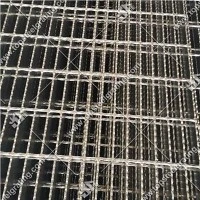
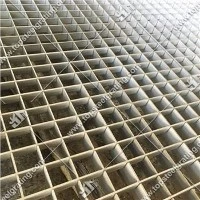
Installing stainless grating on a slope involves a series of meticulous steps and considerations to ensure a safe, stable, and durable installation. As a seasoned stainless grating supplier, I have accumulated extensive experience in this field. In this blog, I'll guide you through the process of installing stainless grating on a slope, offering insights into key aspects such as preparation, installation techniques, and safety precautions.
Pre - installation Preparation
Site Assessment
Before proceeding with the installation, conduct a thorough site assessment. Measure the slope's angle, length, and width accurately. Note any irregularities in the surface, such as bumps, depressions, or obstacles. This information will help you determine the appropriate type and quantity of stainless grating required. For slopes with a gentle incline, Plain Bar Grating might be a suitable choice, providing a smooth walking surface. However, for steeper slopes, Serrated Welded Steel Grating offers enhanced slip - resistance, reducing the risk of accidents.
Material Selection
Select the right type of stainless grating based on the site's requirements. Consider factors such as load - bearing capacity, corrosion resistance, and aesthetics. 316 Stainless Steel Grating is an excellent option for outdoor applications on slopes, especially in coastal areas or environments with high humidity, as it has superior corrosion resistance. If cost is a concern and corrosion is not a major issue, Hot Dip Galvanised Steel Bar Grating can be a more economical alternative. Ensure that the grating meets relevant industry standards and specifications.
Tools and Equipment
Gather all the necessary tools and equipment for the installation. This typically includes a measuring tape, level, drill, wrenches, safety gear (such as gloves, safety glasses, and hard hats), and lifting equipment if the grating panels are heavy. Make sure that all tools are in good working condition to avoid any interruptions during the installation process.
Installation Process
Marking the Installation Area
Use a measuring tape and chalk or a marker to mark the installation area on the slope. Ensure that the markings are straight and parallel to the edges of the slope. This will serve as a guide for placing the grating panels accurately. If the slope has curves, use flexible measuring tools to follow the contour and mark accordingly.
Mounting Supports
Install the mounting supports at regular intervals along the slope. The supports should be firmly attached to the underlying surface, whether it's concrete, steel, or another suitable substrate. For concrete surfaces, use anchor bolts to secure the supports. For steel structures, welding or mechanical fasteners can be used. The spacing of the supports depends on the type and size of the grating, as well as the expected load. Refer to the manufacturer's guidelines for the recommended support spacing.
Placing the Grating Panels
Carefully lift the grating panels onto the mounting supports. Start from the bottom of the slope and work your way up. Ensure that the panels fit snugly together and align with the markings on the slope. If necessary, use a level to check that the panels are horizontal and adjust the supports accordingly. For larger installations, it may be necessary to use lifting equipment to handle the heavy panels safely.
Securing the Grating Panels
Once the panels are in place, secure them to the mounting supports. This can be done using clips, bolts, or welding, depending on the design of the grating and the support system. Clips are a popular choice as they are easy to install and remove for maintenance. Make sure that all fasteners are tightened properly to prevent the grating from shifting or moving during use.
Joining Multiple Panels
If you need to join multiple grating panels, use appropriate joining methods. For Welded Bar Grating, welding the panels together at the joints can provide a strong and seamless connection. However, this requires skilled welders and proper welding equipment. Alternatively, mechanical connectors can be used to join the panels, which are quicker and easier to install.
Post - installation Checks
Structural Integrity
After the installation is complete, conduct a thorough inspection of the grating structure. Check for any signs of damage, such as cracks, bent bars, or loose fasteners. Ensure that the grating is firmly attached to the supports and can withstand the expected loads. Walk on the grating carefully to test its stability and look for any areas that may require further adjustment.


Slip - Resistance
Verify the slip - resistance of the grating, especially on slopes. Use a slip - testing device to measure the coefficient of friction. If the slip - resistance does not meet the required standards, consider applying a non - slip coating or using a different type of grating with better slip - resistant properties.
Drainage
Check the drainage performance of the grating. Ensure that water can flow freely through the grating openings and does not accumulate on the surface. This is particularly important on slopes to prevent the formation of ice or water pooling, which can increase the risk of slips and falls.
Safety Precautions
Personal Safety
During the installation process, always wear appropriate safety gear, including gloves, safety glasses, and hard hats. When working on slopes, use safety harnesses to prevent falls. Ensure that all workers are trained in the proper use of tools and equipment and are familiar with safety procedures.
Environmental Safety
Be aware of the environmental impact of the installation. Avoid causing damage to the surrounding environment, such as disturbing vegetation or polluting water sources. Dispose of any waste materials properly, following local environmental regulations.
Conclusion
Installing stainless grating on a slope requires careful planning, proper material selection, and precise installation techniques. By following the steps outlined in this blog and taking necessary safety precautions, you can ensure a successful installation that provides a safe and durable solution for your slope.
As a leading stainless grating supplier, we are committed to providing high - quality products and professional technical support. If you are interested in purchasing stainless grating for your slope installation project or have any questions, please feel free to contact us. We look forward to discussing your requirements and providing you with the best solutions.