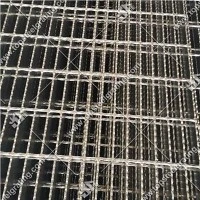
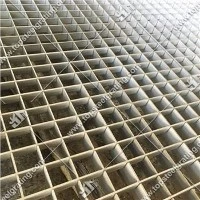
As a supplier of welded bar grating, I am well - aware of the increasing importance of environmental protection in the production process. In this blog, I will delve into the environmental protection requirements for welded bar grating production.
1. Raw Material Selection
The choice of raw materials is the first step in ensuring environmentally - friendly welded bar grating production. We should opt for materials with a low environmental impact. For example, when it comes to steel, we can choose recycled steel. Recycled steel reduces the need for virgin iron ore extraction, which is an energy - intensive and environmentally - damaging process. Mining for iron ore often leads to deforestation, soil erosion, and water pollution. By using recycled steel, we can significantly reduce these negative impacts.
Moreover, for stainless steel bar grating, we should select high - quality materials that meet environmental standards. Stainless Steel Bar Grating made from sustainable sources not only ensures the durability of the product but also reduces the overall carbon footprint of the production process. The use of stainless steel also has the advantage of long - term corrosion resistance, which means less maintenance and replacement in the long run, further conserving resources.


2. Energy Efficiency in Manufacturing
Energy consumption is a major aspect of environmental protection in welded bar grating production. To minimize energy use, advanced manufacturing technologies should be employed. For instance, modern welding equipment is designed to be more energy - efficient. These machines can precisely control the amount of energy required for the welding process, reducing waste.
We can also invest in energy - saving measures in the factory. This includes installing energy - efficient lighting systems, optimizing the layout of the production line to reduce unnecessary movement of materials, and using heat recovery systems. Heat recovery systems can capture the heat generated during the welding process and reuse it for other purposes within the factory, such as pre - heating the raw materials, which significantly reduces energy consumption and thus the emission of greenhouse gases.
3. Emission Control
During the production of welded bar grating, various emissions can be generated. One of the main concerns is air pollution from the welding process. Welding releases fumes and gases, such as nitrogen oxides, carbon monoxide, and particulate matter. To control these emissions, appropriate ventilation systems should be installed in the production area. These ventilation systems can capture and filter the fumes before they are released into the atmosphere.
In addition, if the bar grating is coated or painted, the solvents used in these processes can also be a source of volatile organic compounds (VOCs) emissions. We should choose low - VOC or VOC - free coatings and paints. This not only reduces air pollution but also has a positive impact on the health of the workers in the factory.
4. Waste Management
Waste management is another crucial environmental protection requirement. In the production of welded bar grating, there will inevitably be some waste generated, such as scrap metal and off - cut pieces. We should establish an effective waste management system to recycle these materials. Scrap metal can be recycled and reused in the production process, reducing the need for new raw materials.
For other waste, such as waste coatings and packaging materials, proper disposal methods should be adopted. Non - recyclable waste should be sent to appropriate waste treatment facilities to ensure that it does not cause environmental pollution. By minimizing waste and maximizing recycling, we can make the production process more sustainable.
5. Water Conservation
Water is also an important resource in the production of welded bar grating. Although water is not as directly involved in the welding process as energy, it may be used for cooling and cleaning purposes. To conserve water, we can install water - saving devices, such as low - flow nozzles in the cleaning areas.
We can also implement a water recycling system. The water used for cooling can be treated and reused, reducing the overall water consumption. This not only helps to conserve water resources but also reduces the cost of water supply and wastewater treatment.
6. Product Design for Sustainability
The design of the welded bar grating can also contribute to environmental protection. For example, we can design the grating to be modular. Modular designs make it easier to install, disassemble, and reuse the grating. If a part of the grating is damaged, only the damaged module needs to be replaced, rather than the entire structure, which reduces waste.
We can also consider the end - of - life scenario of the product. Designing the grating in a way that it can be easily recycled at the end of its useful life is an important aspect of sustainable product design. For example, using materials that are easy to separate and recycle, and avoiding the use of complex composite materials that are difficult to recycle.
7. Certifications and Compliance
To demonstrate our commitment to environmental protection, we should obtain relevant environmental certifications. Certifications such as ISO 14001, which is an international standard for environmental management systems, can help us to manage our environmental impact more effectively. These certifications not only show our customers that we are environmentally responsible but also help us to continuously improve our environmental performance.
In addition, we must comply with all relevant environmental regulations. These regulations cover aspects such as emissions, waste management, and the use of hazardous materials. By complying with these regulations, we can ensure that our production process is legal and environmentally friendly.
8. Customer Education
As a supplier, we also have the responsibility to educate our customers about the environmental benefits of our welded bar grating. We can provide information about the sustainable production processes, the recycled materials used, and the long - term environmental savings of using our products.
For example, Serrated Stainless Steel Grating offers both safety and environmental benefits. The serrated surface provides better traction, reducing the risk of slips and falls, while the stainless steel material is durable and recyclable. By using these products, customers can contribute to environmental protection.
9. Comparison with Traditional Production
Traditional welded bar grating production processes often ignore environmental protection. In the past, energy - inefficient welding equipment was used, resulting in high energy consumption. Emissions were not properly controlled, and waste was often disposed of without proper treatment.
In contrast, our modern production processes, which adhere to strict environmental protection requirements, are more sustainable. We use energy - efficient equipment, control emissions, manage waste effectively, and conserve resources. These improvements not only benefit the environment but also improve the quality and competitiveness of our products.
10. Conclusion and Call to Action
In conclusion, environmental protection is an essential part of welded bar grating production. By following the above - mentioned environmental protection requirements, we can produce high - quality products while minimizing our impact on the environment. We offer a wide range of welded bar grating products, including Galvanized Serrated Bar Grating, Stainless Steel Grating, and Platform and Walkway Grating.
If you are interested in our environmentally - friendly welded bar grating products and would like to discuss procurement, please feel free to contact us. We are committed to providing you with sustainable and high - quality solutions that meet your needs while protecting our planet.