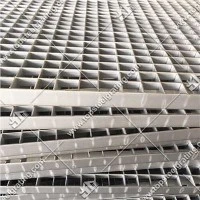
As a seasoned Metal Bar Grating supplier, I've witnessed firsthand the critical role that proper installation methods play in a shipyard environment. Metal bar grating is a versatile and durable solution used for various applications in shipyards, including walkways, platforms, stair treads, and drainage covers. In this blog post, I'll delve into the different installation methods for metal bar grating in a shipyard, highlighting their advantages, considerations, and best practices.
Welded Installation
Welded installation is one of the most common and reliable methods for installing metal bar grating in a shipyard. This method involves welding the grating directly to supporting steel structures, such as beams or frames. Welding provides a strong and permanent connection, ensuring the grating remains securely in place even under heavy loads and harsh environmental conditions.
Advantages
- High Strength: Welded connections offer excellent strength and stability, making them suitable for high-traffic areas and heavy-duty applications.
- Permanent Installation: Once welded, the grating is firmly attached to the supporting structure, eliminating the risk of movement or displacement.
- Corrosion Resistance: Welding can be performed on galvanized or stainless steel grating, providing enhanced corrosion resistance in marine environments.
Considerations
- Welding Skills: Welding requires skilled labor and proper equipment to ensure high-quality welds. Improper welding can compromise the integrity of the grating and the supporting structure.
- Heat Affected Zone: Welding generates heat, which can cause distortion and changes in the material properties of the grating and the supporting structure. Care must be taken to minimize the heat affected zone and prevent damage.
- Inspection and Testing: Welded joints should be inspected and tested to ensure they meet the required standards and specifications. Non-destructive testing methods, such as ultrasonic testing or magnetic particle testing, can be used to detect any defects or flaws in the welds.
Best Practices
- Prepare the Surface: Before welding, the surface of the grating and the supporting structure should be cleaned and prepared to ensure good adhesion and a strong weld.
- Use the Right Welding Technique: The welding technique should be selected based on the type of grating and the supporting structure. For example, shielded metal arc welding (SMAW) or gas metal arc welding (GMAW) can be used for carbon steel grating, while tungsten inert gas (TIG) welding is recommended for stainless steel grating.
- Weld in a Controlled Environment: Welding should be performed in a controlled environment to minimize the effects of wind, moisture, and temperature on the weld quality.
- Inspect the Welds: After welding, the welds should be inspected visually and using non-destructive testing methods to ensure they meet the required standards and specifications.
Bolted Installation
Bolted installation is another popular method for installing metal bar grating in a shipyard. This method involves using bolts and nuts to secure the grating to the supporting structure. Bolted connections offer several advantages over welded connections, including ease of installation, flexibility, and the ability to disassemble and reuse the grating.
Advantages
- Easy Installation: Bolted connections are relatively easy to install, requiring minimal equipment and labor. This makes them a cost-effective option for small-scale projects or areas where welding is not feasible.
- Flexibility: Bolted connections allow for easy adjustment and modification of the grating layout. The grating can be easily removed and reinstalled if necessary, making it a convenient option for maintenance and repairs.
- Disassembly and Reuse: Bolted connections make it possible to disassemble the grating and reuse it in other applications or locations. This can significantly reduce the cost of materials and waste.
Considerations
- Load Capacity: Bolted connections may have a lower load capacity compared to welded connections. The size and type of bolts used should be carefully selected based on the anticipated loads and the requirements of the application.
- Corrosion Resistance: Bolts and nuts are susceptible to corrosion in marine environments. It is important to use corrosion-resistant materials, such as stainless steel or galvanized steel, to ensure the long-term durability of the connection.
- Tightening Torque: Proper tightening torque is crucial for ensuring the integrity of the bolted connection. Over-tightening or under-tightening the bolts can lead to loosening, vibration, and premature failure.
Best Practices
- Select the Right Bolts and Nuts: The size, type, and material of the bolts and nuts should be selected based on the type of grating and the supporting structure, as well as the anticipated loads and environmental conditions.
- Use Locking Devices: Locking devices, such as lock washers or thread-locking compounds, can be used to prevent the bolts from loosening due to vibration or movement.
- Tighten the Bolts to the Right Torque: The bolts should be tightened to the recommended torque using a torque wrench. This will ensure that the connection is secure and that the grating remains in place.
- Inspect the Bolts Regularly: The bolts and nuts should be inspected regularly for signs of corrosion, loosening, or damage. Any damaged or corroded bolts should be replaced immediately.
Clamped Installation
Clamped installation is a relatively new method for installing metal bar grating in a shipyard. This method involves using clamping devices to secure the grating to the supporting structure. Clamped connections offer several advantages over welded and bolted connections, including ease of installation, flexibility, and the ability to adjust the grating without the need for special tools or equipment.
Advantages
- Easy Installation: Clamped connections are quick and easy to install, requiring minimal tools and labor. This makes them a cost-effective option for large-scale projects or areas where time is of the essence.
- Flexibility: Clamped connections allow for easy adjustment and modification of the grating layout. The grating can be easily moved and repositioned if necessary, making it a convenient option for temporary or modular installations.
- No Welding or Drilling: Clamped connections do not require welding or drilling, which eliminates the risk of damage to the grating and the supporting structure. This makes them a suitable option for applications where welding or drilling is not allowed or practical.
Considerations
- Load Capacity: Clamped connections may have a lower load capacity compared to welded and bolted connections. The size and type of clamping devices used should be carefully selected based on the anticipated loads and the requirements of the application.
- Corrosion Resistance: Clamping devices are susceptible to corrosion in marine environments. It is important to use corrosion-resistant materials, such as stainless steel or galvanized steel, to ensure the long-term durability of the connection.
- Proper Installation: Proper installation of the clamping devices is crucial for ensuring the integrity of the connection. The clamping devices should be installed according to the manufacturer's instructions and tightened to the recommended torque.
Best Practices
- Select the Right Clamping Devices: The size, type, and material of the clamping devices should be selected based on the type of grating and the supporting structure, as well as the anticipated loads and environmental conditions.
- Install the Clamping Devices Correctly: The clamping devices should be installed according to the manufacturer's instructions and tightened to the recommended torque. This will ensure that the connection is secure and that the grating remains in place.
- Inspect the Clamping Devices Regularly: The clamping devices should be inspected regularly for signs of corrosion, loosening, or damage. Any damaged or corroded clamping devices should be replaced immediately.
Conclusion
In conclusion, the choice of installation method for metal bar grating in a shipyard depends on several factors, including the type of grating, the supporting structure, the anticipated loads, the environmental conditions, and the project requirements. Welded installation offers high strength and permanence, while bolted installation provides ease of installation and flexibility. Clamped installation is a relatively new method that offers quick and easy installation without the need for welding or drilling.
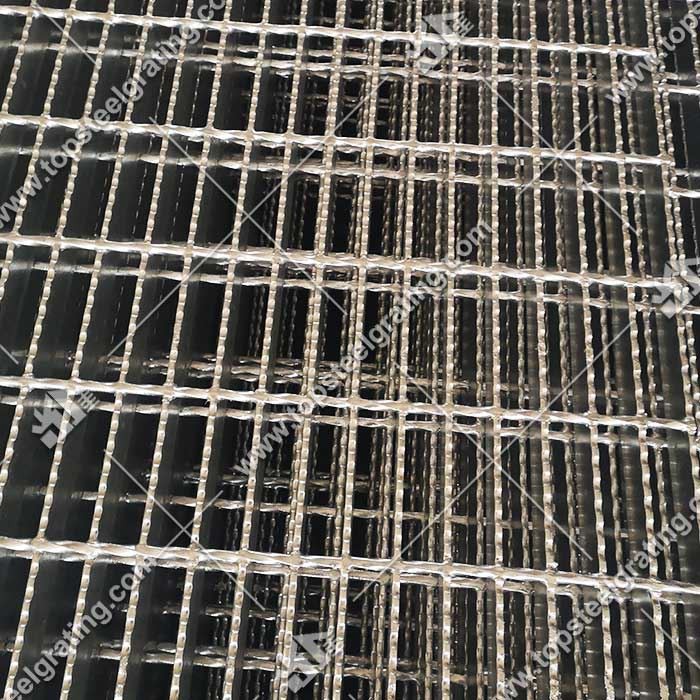
As a Metal Bar Grating supplier, we offer a wide range of Metal Bar Grating products, including Plain Grating, Galvanized Serrated Bar Grating, Press Locked Stainless Steel Grating, and Stainless Steel Grating. We also provide professional installation services and technical support to ensure that our customers get the best results from their metal bar grating installations.

If you have any questions or need more information about our metal bar grating products or installation services, please feel free to contact us. We look forward to working with you to meet your shipyard's grating needs.