

Selecting the appropriate welded steel grating for your project is a multifaceted decision that can significantly influence the project's success, functionality, and cost - effectiveness. As a seasoned welded steel grating supplier, I've witnessed firsthand how the wrong choice can lead to complications, while the right one can streamline operations and enhance safety. In this blog, I'll guide you through the key factors to consider when making this crucial decision.
1. Understand the Project Requirements
Before delving into the details of welded steel gratings, it's essential to have a clear understanding of your project's requirements. This includes the purpose of the grating, the environment in which it will be installed, and the expected load - bearing capacity.
-
Purpose of the Grating: The intended use of the grating varies widely from project to project. For instance, if it's for a Stainless Steel Walkway Grating, the main concerns will be anti - slip properties, durability, and aesthetics. On the other hand, if it's used for a drainage system, the grating needs to have suitable openings to allow for efficient water flow while preventing large debris from clogging.
-
Environment: Environmental factors play a crucial role in grating selection. In corrosive environments such as chemical plants or marine settings, Galvanized Steel Grating or stainless - steel gratings are often preferred due to their corrosion - resistant properties. In areas with high humidity, the risk of rust is significant, and a galvanized or stainless - steel option can extend the lifespan of the grating. In contrast, in dry, indoor environments, a standard carbon - steel grating may be sufficient if cost is a major concern.
-
Load - Bearing Capacity: Determining the required load - bearing capacity is non - negotiable. You need to consider both the static and dynamic loads that the grating will encounter. Static loads include the weight of equipment, people, and stored materials. Dynamic loads, such as those caused by moving machinery or vehicle traffic, are more complex to calculate. For heavy - duty applications like industrial platforms or vehicle passageways, Hot Dip Galvanised Steel Bar Grating with thicker bars and a stronger structure is often necessary.
-
2. Evaluate the Grating Specifications
Once you've defined your project requirements, it's time to evaluate the technical specifications of the welded steel grating.
-
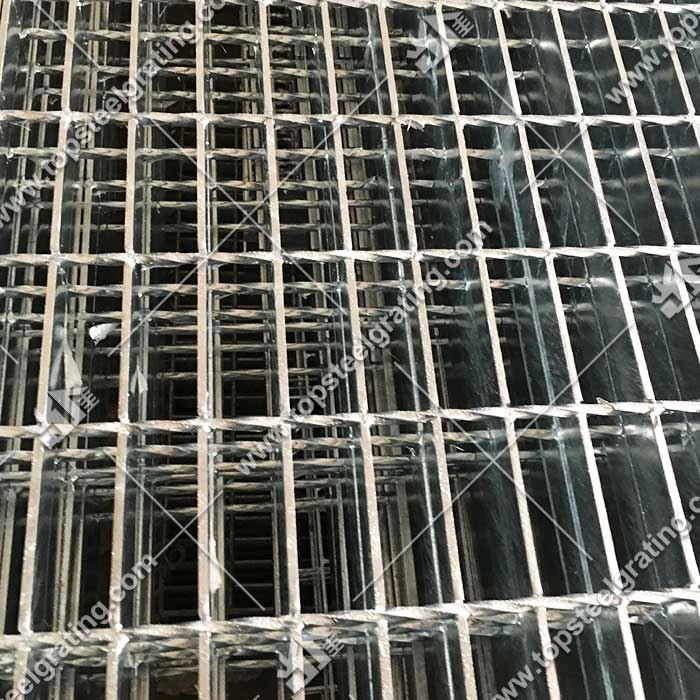
Bar Size and Spacing: The size and spacing of the bearing bars and cross - bars directly affect the strength and functionality of the grating. Wider bar spacing is suitable for applications where larger debris needs to pass through, such as in some industrial drainage systems. However, closer bar spacing is recommended for walkways and platforms to prevent small objects from falling through and to provide a safer surface for people and equipment.
-
Surface Treatment: As mentioned earlier, the surface treatment is critical for corrosion resistance. Galvanizing is a popular choice as it coats the steel with a protective layer of zinc, which acts as a sacrificial anode. Stainless - steel gratings offer excellent corrosion resistance without the need for additional coatings but can be more expensive. Powder coating is another option that can provide both protection and a decorative finish.
-
Grating Thickness: The thickness of the grating is directly related to its load - bearing capacity. Thicker gratings are stronger and can withstand heavier loads, but they are also more expensive and heavier. It's important to strike a balance between the required strength and the cost and weight constraints of your project.
-
3. Consider Safety Features
Safety should always be a top priority when selecting a welded steel grating.
-
Anti - Slip Surface: For walkways and platforms, an anti - slip surface is essential to prevent slips, trips, and falls. Some gratings come with a pre - installed anti - slip finish, such as serrated bars or a gritted coating. These features significantly improve traction, especially in wet or oily environments.
-
Edge Protection: Edge protection can enhance the safety of the grating, especially in areas where people or equipment may come into contact with the edges. Options include bar guards or rolled edges, which reduce the risk of sharp edges causing injuries.
-
4. Look at the Aesthetic and Installation Requirements
In some projects, aesthetics can also be a consideration.
-
Aesthetic Appeal: While the primary function of welded steel grating is functional, it's also important in some applications, such as in architectural or public spaces. Stainless - steel gratings have a sleek and modern appearance, which is often preferred in these settings. Galvanized gratings have a more industrial look, which may be suitable for industrial projects.
-
Installation Requirements: Easy installation can save time and labor costs. Some gratings come with pre - drilled holes or easy - to - use fastening systems. Consider the installation environment as well. For example, in confined spaces, a grating that can be easily maneuvered and installed may be more appropriate.
-

5. Compare Suppliers and Costs
Finally, it's important to compare different suppliers and costs.
- Supplier Reputation: As a supplier myself, I understand the importance of reputation. Look for a supplier with a proven track record of delivering high - quality products on time. Check customer reviews, ask for references, and look at case studies of previous projects.
- Cost vs. Quality: While cost is always a consideration, it's important not to sacrifice quality for price. A cheaper grating may end up costing more in the long run if it fails to meet the project requirements or has a shorter lifespan. Compare the prices of different suppliers, but also take into account the quality of the materials, the manufacturing process, and the level of customer service.
Making the Right Decision
Selecting the right welded steel grating for your project involves a comprehensive evaluation of your project requirements, the grating specifications, safety features, aesthetic and installation needs, as well as supplier reputation and cost. By carefully considering these factors, you can ensure that you choose a grating that not only meets your project's needs but also provides long - term value.
If you're in the process of planning a project and need assistance in choosing the right welded steel grating, don't hesitate to reach out. Our team of experts is ready to help you make an informed decision. Whether it's a Platform and Walkway Grating for a commercial building or a Welded Bar Grating for an industrial facility, we have the knowledge and experience to provide you with the best solution. Contact us today to discuss your project in detail and start the procurement process.


