Measuring for steel grating stairs is a crucial step in ensuring a perfect fit and optimal performance. As a supplier of Steel Grating Stairs, I've seen firsthand how accurate measurements can make or break a project. In this blog, I'll share some practical tips on how to measure for steel grating stairs like a pro.
Why Accurate Measurements Matter
Before we dive into the measuring process, let's talk about why accurate measurements are so important. Steel grating stairs are custom - made products, and any measurement error can lead to problems. If the stairs are too short or too long, they won't fit properly in the designated space. Incorrect measurements can also affect the structural integrity of the stairs, making them unsafe to use. So, taking the time to measure correctly is well worth the effort.
Tools You'll Need
To measure for steel grating stairs, you'll need a few basic tools:
- A tape measure: Make sure it's long enough to measure the entire length and width of the stair area. A 25 - foot tape measure is usually sufficient.
- A level: This will help you ensure that the stairs are horizontal and vertical.
- A pencil and paper: To jot down your measurements and any notes.
Measuring the Stairwell
The first step is to measure the stairwell where the steel grating stairs will be installed.
- Length: Measure the total length of the stairwell from the top to the bottom. This includes the run (the horizontal part of the stairs) and the rise (the vertical part). Measure along the centerline of the stairwell for the most accurate result.
- Width: Measure the width of the stairwell at the top, middle, and bottom. The width should be consistent, but it's a good idea to take multiple measurements to account for any irregularities.
- Height: Measure the vertical height from the floor at the bottom of the stairwell to the floor at the top. This will help determine the number of steps and the rise of each step.
Determining the Number of Steps
The number of steps in a steel grating stair is determined by the total rise of the stairwell and the desired rise per step. A comfortable rise per step is usually between 7 and 8 inches. To calculate the number of steps, divide the total rise by the desired rise per step. For example, if the total rise is 84 inches and you want a rise of 7 inches per step, you'll need 12 steps (84 ÷ 7 = 12).
Measuring the Tread and Riser Dimensions
- Tread: The tread is the horizontal part of the step that you walk on. Measure the depth of the tread, which is typically between 10 and 12 inches. Make sure to measure at the front and back of the step to ensure consistency.
- Riser: The riser is the vertical part of the step. Measure the height of the riser, which should be consistent throughout the stairs. As mentioned earlier, a comfortable riser height is between 7 and 8 inches.
Considering the Landing
If your steel grating stairs have a landing, you'll need to measure the dimensions of the landing as well. Measure the length and width of the landing, and make sure it's large enough to provide a safe and comfortable area for people to stand.
Types of Steel Grating
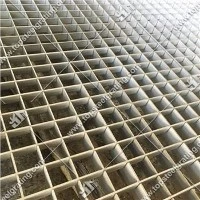
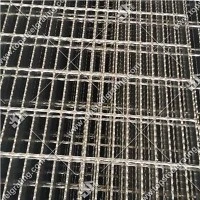
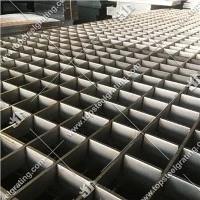
There are different types of steel grating available for stairs, such as Compound Steel Grating and Plain Steel Grating. Each type has its own characteristics and advantages.
- Compound Steel Grating: This type of grating combines a welded steel grating with a secondary material, such as a bar or a mesh. It offers increased strength and durability, making it suitable for heavy - duty applications.
- Plain Steel Grating: Plain steel grating is a simple and cost - effective option. It consists of parallel bars welded together, providing a strong and stable surface for walking.
Installation Considerations
When measuring for steel grating stairs, it's important to consider the installation process. Leave some extra space for the installation of the stairs, including any brackets or supports. Also, make sure to account for any clearance requirements, such as the distance between the stairs and the wall or other objects.
Double - Check Your Measurements
Once you've taken all the measurements, double - check them to make sure they're accurate. It's a good idea to measure twice and write down the measurements clearly. If you're unsure about any of the measurements, it's always a good idea to consult with a professional.


Conclusion
Measuring for steel grating stairs is a detailed process, but with the right tools and techniques, you can ensure a perfect fit. By taking accurate measurements, you'll not only get a better - fitting product but also a safer and more durable set of stairs.
If you're in the market for high - quality steel grating stairs, we're here to help. We offer a wide range of Steel Grating Stairs that are custom - made to your specifications. Whether you need compound steel grating or plain steel grating, we've got you covered. Contact us today to discuss your project and get a quote.