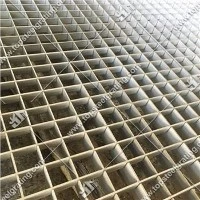
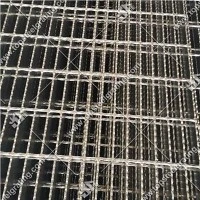
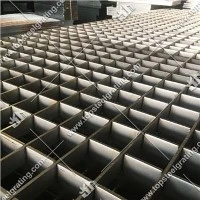
As a supplier of serrated grating, I understand the importance of adhering to environmental regulations in our production processes. Serrated grating is a versatile product used in various industries, including construction, manufacturing, and infrastructure. It provides excellent slip resistance, making it ideal for applications where safety is a concern. However, the production of serrated grating can have environmental impacts if not managed properly. In this blog post, I will discuss the key environmental regulations that govern serrated grating production and how we, as a supplier, ensure compliance.
Raw Material Sourcing
The first step in serrated grating production is the sourcing of raw materials. Most serrated gratings are made from steel, which is a widely used and recyclable material. However, the extraction and processing of steel can have significant environmental impacts, including energy consumption, greenhouse gas emissions, and water pollution. To minimize these impacts, we source our steel from suppliers who adhere to strict environmental standards.
We prioritize suppliers who use sustainable mining practices and have implemented energy-efficient technologies in their steel production processes. Additionally, we encourage the use of recycled steel in our products. Recycled steel requires less energy to produce compared to virgin steel, reducing greenhouse gas emissions and conserving natural resources. By using recycled steel, we not only contribute to environmental sustainability but also support the circular economy.
Manufacturing Processes
The manufacturing processes involved in serrated grating production also have environmental implications. These processes typically include cutting, welding, and surface treatment. Each of these steps requires careful consideration to minimize environmental impacts.


Cutting and Welding
Cutting and welding are essential steps in shaping the serrated grating. These processes generate heat, noise, and waste, which can be harmful to the environment if not managed properly. To reduce energy consumption and emissions during cutting and welding, we use advanced equipment that is designed to be energy-efficient. We also implement proper ventilation systems in our production facilities to capture and filter any harmful fumes or dust generated during these processes.
In addition, we strive to minimize waste generation by optimizing our cutting patterns and recycling any scrap metal produced. This not only reduces the amount of waste sent to landfills but also conserves raw materials.
Surface Treatment
Surface treatment is an important step in protecting the serrated grating from corrosion and extending its lifespan. The most common surface treatment for steel gratings is hot-dip galvanizing, which involves coating the grating with a layer of zinc. While hot-dip galvanizing is an effective and environmentally friendly method of corrosion protection, it also requires careful management to minimize its environmental impacts.
We ensure that our hot-dip galvanizing process complies with all relevant environmental regulations. This includes using environmentally friendly zinc sources and implementing proper wastewater treatment systems to prevent the release of harmful chemicals into the environment. Additionally, we monitor and control the emissions of zinc and other pollutants during the hot-dip galvanizing process to ensure that they are within acceptable limits.
Some of our popular products, such as Serrated Welded Steel Grating, Mild Steel Grating, Stainless Steel Floor Grating, Hot Dip Galvanized Steel Grating, and Hot Dip Galvanised Steel Bar Grating, are all produced with strict adherence to these environmental regulations during the surface treatment and other manufacturing processes.
Waste Management
Proper waste management is crucial in minimizing the environmental impact of serrated grating production. In addition to the scrap metal generated during cutting and welding, other types of waste may include packaging materials, chemicals used in surface treatment, and wastewater.
We have implemented a comprehensive waste management plan that includes waste reduction, recycling, and proper disposal. We encourage the use of reusable packaging materials and strive to minimize packaging waste. Any scrap metal generated during production is recycled and reused, while other types of waste are sorted and treated according to their nature.
Chemicals used in surface treatment are carefully stored and handled to prevent spills and leaks. We also ensure that all wastewater generated during the production process is treated before being discharged. Our wastewater treatment systems are designed to remove harmful pollutants and contaminants, ensuring that the water meets all relevant environmental standards.
Energy Efficiency
Energy consumption is a significant aspect of serrated grating production. To reduce our energy consumption and carbon footprint, we have implemented several energy-efficient measures in our production facilities.
We have invested in energy-efficient equipment, such as high-efficiency motors and lighting systems. These equipment consume less energy while maintaining the same level of performance, resulting in significant energy savings. Additionally, we have implemented energy management systems to monitor and control our energy consumption. These systems help us identify areas where energy can be saved and implement measures to reduce energy waste.
We also explore the use of renewable energy sources, such as solar and wind energy, to power our production facilities. By reducing our reliance on fossil fuels, we can further reduce our greenhouse gas emissions and contribute to a more sustainable future.
Compliance and Certification
As a responsible supplier, we are committed to complying with all relevant environmental regulations. We regularly review and update our production processes to ensure that they meet the latest environmental standards. In addition to regulatory compliance, we also seek third-party certifications to demonstrate our commitment to environmental sustainability.
One of the most recognized certifications in the steel industry is the ISO 14001 Environmental Management System certification. This certification indicates that a company has implemented an effective environmental management system and is committed to continuous improvement in environmental performance. We have obtained the ISO 14001 certification, which demonstrates our commitment to environmental sustainability and responsible production practices.
Conclusion
In conclusion, environmental regulations play a crucial role in serrated grating production. By adhering to these regulations, we can minimize the environmental impact of our production processes and contribute to a more sustainable future. As a supplier of serrated grating, we are committed to sourcing raw materials sustainably, implementing energy-efficient manufacturing processes, managing waste properly, and seeking third-party certifications to demonstrate our environmental commitment.
If you are in the market for high-quality serrated grating that is produced in an environmentally responsible manner, we invite you to contact us for more information. We would be happy to discuss your specific requirements and provide you with a customized solution that meets your needs.