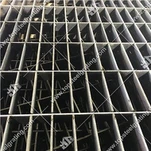
To determine whether the press locked steel bar grating needs anti-corrosion treatment, the following aspects can be considered:
1. Use environment
Humid environment: If the stainless steel bar grating is installed in a long-term humid environment, such as bathrooms, around swimming pools, by the river, etc., water vapor will condense on the surface of the grille, increasing the risk of corrosion. At this time, anti-corrosion treatment needs to be considered.
Corrosive gas environment: In some industrial environments, corrosive gases may exist, such as near chemical plants and electroplating plants. These gases may react chemically with stainless steel, causing corrosion. If the stainless steel bar grating is in such an environment, it is likely to require anti-corrosion treatment.
Marine environment: The air at the seaside contains a lot of salt, which can cause serious corrosion to stainless steel. If the stainless steel grating is installed at the seaside or in marine projects, it is almost certain to require anti-corrosion treatment.
2. Surface condition
Rust spots: If rust spots have appeared on the surface of the stainless steel grating, this is an obvious sign of corrosion, indicating that the current environment has caused a certain degree of corrosion to the stainless steel. At this time, anti-corrosion treatment needs to be carried out in time to prevent further corrosion.
Color change: If the surface color of the stainless steel grating changes, such as darkening, yellowing, etc., this may be an early sign of corrosion. Although anti-corrosion treatment is not necessarily required immediately, it is necessary to pay close attention and consider taking preventive measures.
Surface roughness: If the surface of the stainless steel grating becomes rough and loses its original smoothness, this may be caused by corrosion or wear. In this case, it is necessary to evaluate the extent of corrosion and consider anti-corrosion treatment.
3. Use time
Long-term use: If the stainless steel grating has been used for a long time, a certain degree of corrosion may occur even in a relatively good environment. Generally speaking, if the stainless steel grating has been used for more than 10 years, it is recommended to conduct a comprehensive inspection to evaluate whether anti-corrosion treatment is needed.
Frequent contact with corrosive substances: If the stainless steel grating is frequently exposed to corrosive substances such as acids, alkalis, salts, etc., anti-corrosion treatment may be required even if the use time is not long. For example, stainless steel grating used in food processing plants, sewage treatment plants and other places may need more frequent anti-corrosion treatment.
4. Industry standards and specifications
Reference to relevant standards: Different industries and application areas may have specific standards and specifications that require anti-corrosion treatment of stainless steel grating. For example, in industries such as chemicals and petroleum, the anti-corrosion requirements for equipment and materials are usually strict. When making judgments, you can refer to relevant industry standards and specifications.
Consult professionals: If you have any questions about whether the stainless steel grating needs to be treated with anti-corrosion, you can consult professional engineers, anti-corrosion experts or stainless steel suppliers. They can provide professional advice and solutions based on the specific use environment and requirements.
To determine whether the press locked steel bar grating needs to be treated with anti-corrosion, you need to consider multiple factors such as the use environment, surface condition, use time and industry standards. Timely anti-corrosion treatment can extend the service life of the stainless steel grating and ensure its safe and reliable use.
If you want to know whether the press locked stainless steel grating needs to be treated with anti-corrosion, you are welcome to follow www.topsteelgrating.com!